

Why Healthy Drinking Water Matters More Than You Think
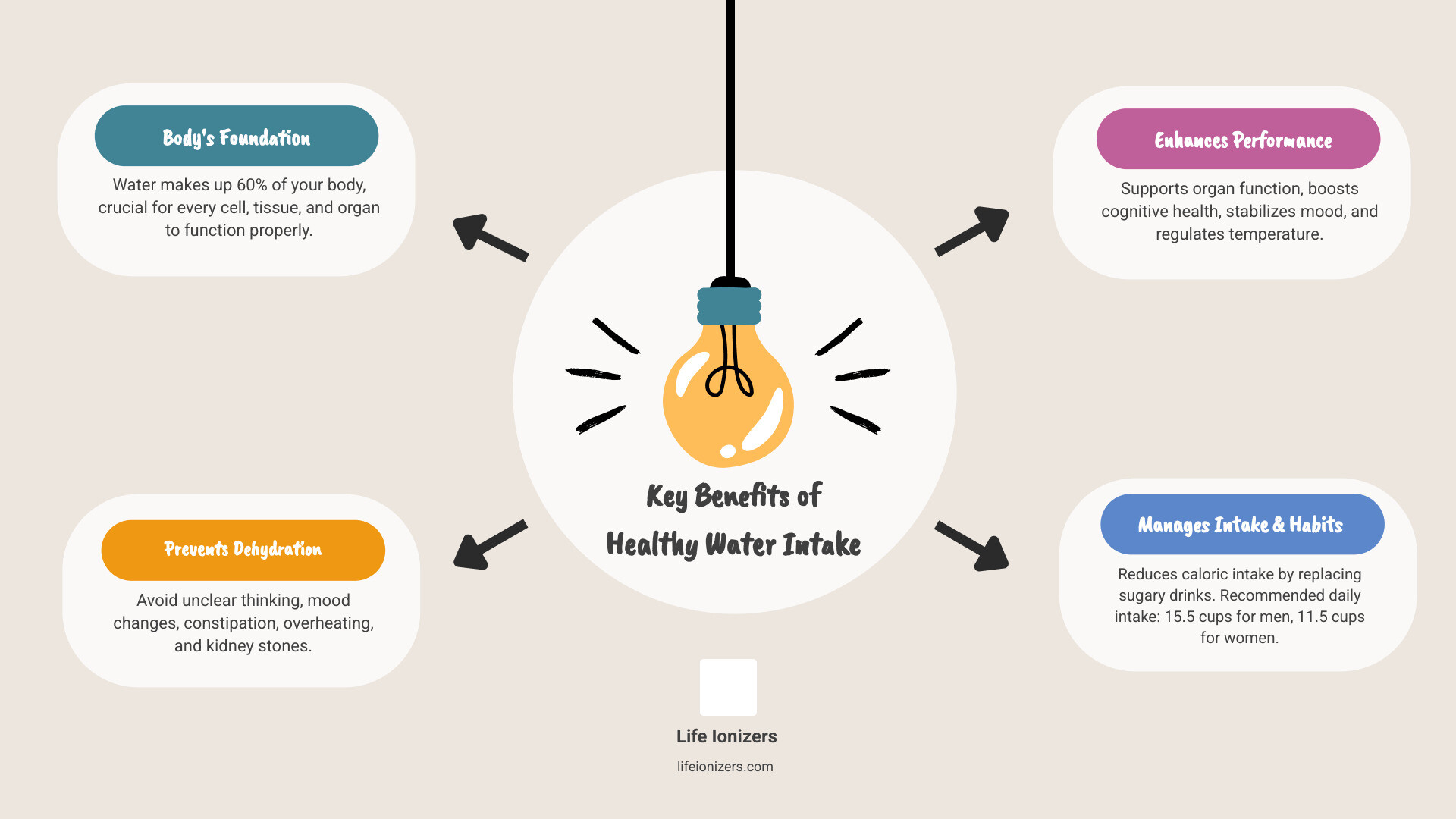
Healthy drinking water is essential for your body to function, as water makes up 60% of your body weight. Every cell, tissue, and organ depends on it to work correctly—from regulating your temperature to removing waste.
Quick Answer: What Makes Water "Healthy"?
- Safe: Free from harmful contaminants like lead, chlorine, and bacteria.
- Mineral-rich: Contains beneficial minerals like calcium and magnesium.
- Properly filtered: Removes toxins while preserving helpful minerals.
- Adequate intake: About 15.5 cups daily for men, 11.5 cups for women.
Drinking enough quality water prevents dehydration, which can cause unclear thinking, mood changes, constipation, and kidney stones. It also supports your metabolism and keeps your body running smoothly.
The Challenge: While U.S. tap water is regulated, quality varies and contamination risks exist. Bottled water creates environmental waste and often contains microplastics. The solution is finding a reliable way to ensure your water is both safe and beneficial.
I'm Thai Cabados, and for over 20 years I've specialized in water filtration technology, pioneering the introduction of alkaline hydrogen water systems to the United States. My work helps families access healthy drinking water through advanced systems that remove contaminants while adding beneficial properties. This guide will help you understand what makes water truly healthy and how to choose the best options for your family.
Why Your Body Craves Water: The Essential Health Benefits
Dry mouth, a headache, or sudden exhaustion are all signs your body needs water. Since healthy drinking water makes up 60% of your body weight, it's the hero behind the scenes keeping everything running smoothly. Your heart needs it to pump blood, your brain needs it to think clearly, and your joints need it to move without friction. Even your mood depends on staying hydrated.
Drinking enough quality water helps you think more clearly, feel more energetic, and manage your weight by choosing water over sugary drinks. Let's explore why your body craves this simple yet powerful beverage.

Preventing Dehydration and Its Consequences
Even mild dehydration can throw your body off balance. Your brain gets foggy, making it hard to focus. Your mood can dip, and that afternoon slump is often just dehydration in disguise. The consequences go deeper than feeling "off." Dehydration can lead to overheating, constipation, and even painful kidney stones, as your kidneys need plenty of water to flush out waste.
These problems are preventable. If you're wondering about the warning signs, check out our guide on How Do I Know If I'm Dehydrated?. For a deeper look at chronic dehydration, read about the Dangers of Dehydration and Its Effects on the Body.
Supporting Physical and Mental Performance
Proper hydration helps you thrive. When you're hydrated, your energy levels stay steady, your workouts feel easier, and your brain fires on all cylinders. Athletes know that proper hydration is key to performance. Water with higher electrolyte content helps replace what's lost through sweat, and some specialized waters can even reduce blood viscosity after workouts, helping your body recover faster. We explore this in our article on Sports Hydration: Alkaline Water.
You don't have to be an athlete to benefit. Your brain, which is 75% water, needs hydration for focus, memory, and clear thinking. Studies suggest alkaline water may even support DNA health markers. Learn more in our guide to A Natural Way to Better Brain Health.
Additionally, swapping sugary drinks for quality water is an easy way to cut calories. Alkaline water may offer extra support for weight management by helping your body function more efficiently. Find out more in our article on Why Alkaline Water for Weight Loss Works.
Healthy drinking water isn't just about survival—it's about giving your body what it needs to perform at its best.
A Guide to Different Types of Drinking Water
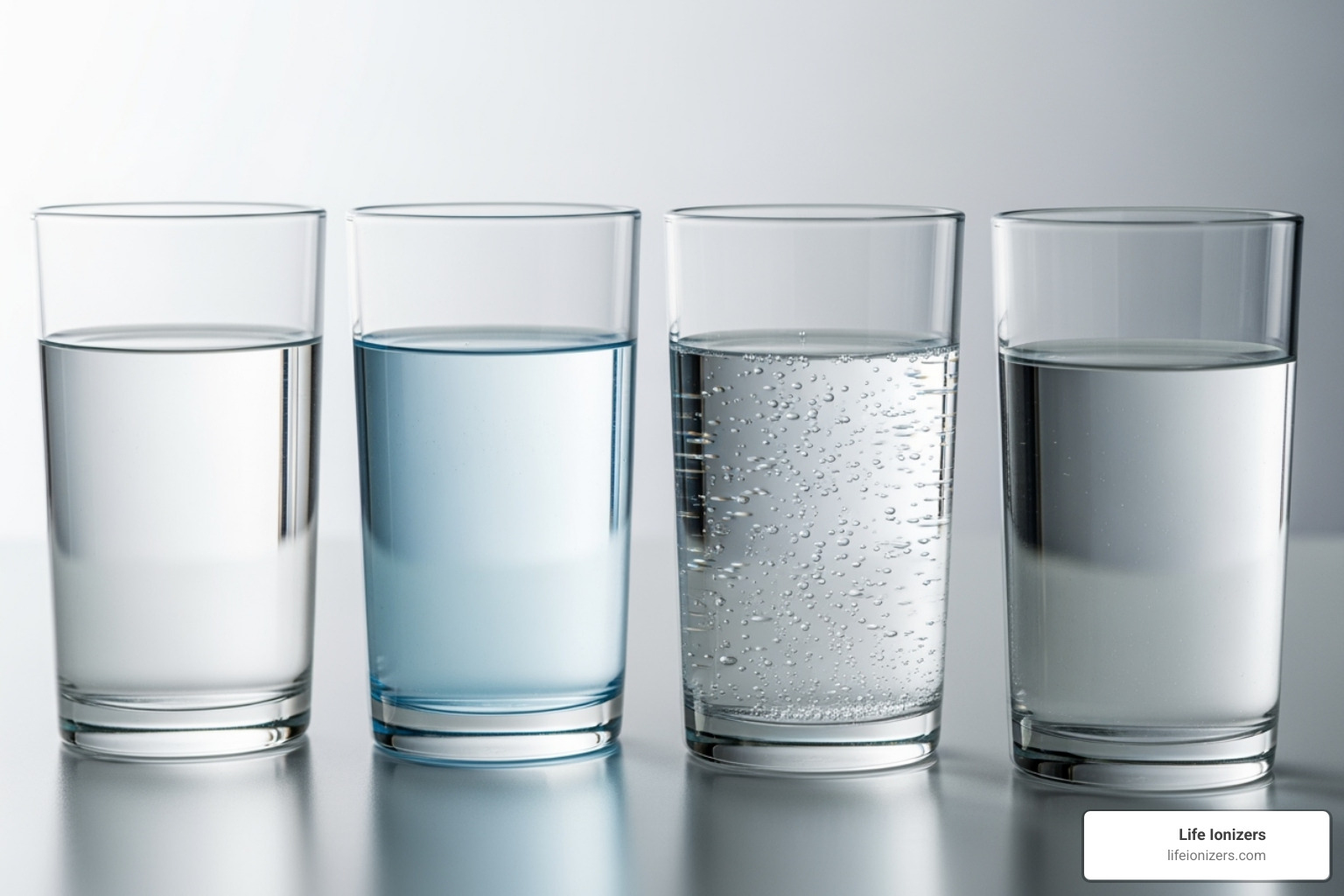
Not all water is created equal. From tap water to specialized ionized water, each type has its own characteristics, benefits, and drawbacks. Understanding these differences helps you make informed choices for your hydration.
| Water Type | Mineral Content | pH Level | Common Contaminants (if untreated/unfiltered) |
|---|---|---|---|
| Tap Water | Varies widely by region; can contain beneficial minerals | 6.5-8.5 | Chlorine, lead, PFOA/PFAS, pharmaceutical residues |
| Spring Water | Essential minerals (calcium, magnesium, sodium, potassium) | Often alkaline | May vary if not from protected source |
| Mineral Water | Minimum 250 ppm dissolved solids | Varies | Generally low, as it's from protected sources |
| Purified Water | Little to no minerals | Neutral (~7) | None (impurities removed) |
| Alkaline Water | Can be naturally mineral-rich or added minerals | 8 or above | Depends on source water before alkalization |
| Hydrogen-Rich Water | Depends on source water before hydrogen infusion | Varies | Depends on source water before hydrogen infusion |
Natural Water Sources
Spring water comes from an underground source and flows to the surface. It's often considered healthy drinking water because it naturally contains essential minerals like calcium, magnesium, sodium, and potassium. These electrolytes are valuable for active individuals.
Mineral water is similar but must contain at least 250 parts per million of naturally occurring dissolved solids. These minerals can support bone density and muscle function. To learn more about the benefits, read Is Mineral Water Good For You?. For a comparison with improved alternatives, see Alkaline Water vs. Mineral Spring Water.
Improved Waters
Technology allows us to improve water quality by removing impurities and adding beneficial properties.
Purified water is treated via distillation or reverse osmosis to remove nearly all contaminants. While this makes it very safe, the process also strips away beneficial minerals, which some experts believe reduces its nutritional support.
Alkaline water has a pH level of 8 or higher. While some is naturally alkaline, most is produced through ionization, which increases the pH and creates antioxidant properties (a negative ORP). Research suggests potential benefits for DNA health, digestion, and bone density.
Ionized water, including hydrogen-rich water, represents the cutting edge of healthy drinking water technology. At Life Ionizers, we specialize in this. An ionizer uses electrolysis to create an alkaline stream with a high pH and antioxidant properties. Our advanced systems produce "Live Hydrogen Water™," which is infused with molecular hydrogen. This powerful antioxidant offers remarkable health benefits, from reducing inflammation to supporting metabolic health. This technology combines the advantages of alkaline water with the therapeutic potential of molecular hydrogen.
To understand the differences, see our articles on Alkaline Water vs. Hydrogen Water and the Health Benefits of Hydrogen Water.
The Science of Healthy Drinking Water: Contaminants, Minerals, and pH
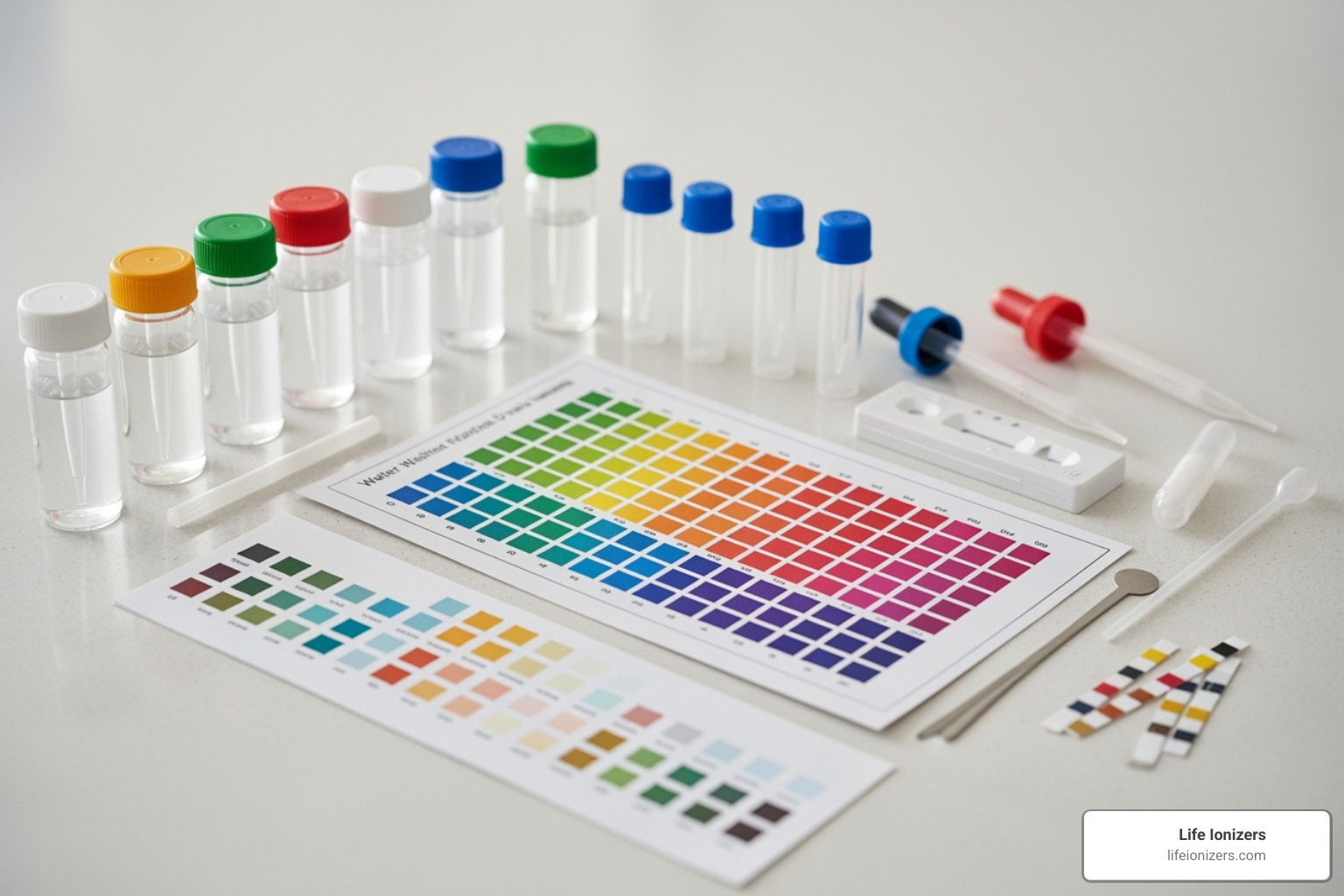
Your tap water contains more than just H2O; it's a complex mixture of minerals, chemicals, and potential contaminants. Healthy drinking water is about achieving the right balance—keeping the good and removing the bad. For a comprehensive look at what might be in your water, check out What Is In Drinking Water?.
The Role of Minerals and pH in Healthy Drinking Water
Minerals like calcium, magnesium, sodium, and potassium are essential nutrients. Calcium builds strong bones, while Magnesium supports hundreds of biochemical reactions, including muscle function and blood pressure regulation. Ionized alkaline water can improve the bioavailability of these minerals, making them easier for your body to absorb. Our guide on Alkaline Water: The Best Source of Calcium, Magnesium explains how.
Water's pH also plays a key role. While your body tightly regulates blood pH, alkaline water (pH 8+) can have powerful localized effects. A 2012 medical study on acid reflux found that alkaline water with a pH of 8.8 could deactivate pepsin, the enzyme that causes acid reflux. The pH of your water can affect mineral absorption and digestion. Learn more in our article What Water PH is Good for Health?.
Potential Risks: Contaminants and Additives
Despite regulations from the EPA and FDA, contaminants can still enter our water supply. These include:
- Lead from aging pipes.
- Chlorine used for disinfection.
- Arsenic from natural deposits or pollution.
- Pharmaceuticals from treated wastewater, a growing problem detailed in Drugs in Drinking Water.
- PFAS ("forever chemicals") and microplastics, which are found in both tap and bottled water. Read more in our article on Bottled Water Tap Water Contaminated with Microplastics.
- Fluoride, which is added to many municipal water supplies but remains controversial.
This is why advanced filtration is so important. A quality water ionizer removes these harmful substances while preserving beneficial minerals, creating truly healthy drinking water. Our systems are designed to protect your family from these hidden dangers. Learn more about How a Water Ionizer Protects You From Toxins.
Making Smart Choices for Your Hydration
Making smart choices about your hydration is a powerful step for your health. It means understanding what you're drinking, where it comes from, and how it affects your body and the planet. Practical, effective solutions exist that address health concerns and environmental responsibility.
How to Ensure the Quality of Your Water
First, you need to know what's in your water. If you use municipal water, your provider must give you an annual water quality report. Our guide on How to Find Out What's in Your Water can help you find yours. For private wells, you are responsible for testing and should hire a certified lab.
Once you know your water's quality, you can choose a solution. While basic pitcher filters remove chlorine, advanced systems offer more robust protection. A quality water ionizer removes harmful contaminants like lead and toxins while producing alkaline, hydrogen-rich water with antioxidant properties. It removes the bad and adds the good. See our comparison of Alkaline Water Ionizers vs. Alkaline Water Filters to learn more. For total home protection, consider a Whole Home Filtration system.
Investing in a water ionizer is also an environmental choice. It eliminates the waste and expense of single-use plastic bottles, which contribute to pollution and microplastic contamination. Learn more in Why Water Ionizers Are Better Than Bottled Water.
Daily Intake and Healthier Alternatives
How much water do you need? The general recommendation is about 15.5 cups (3.7 liters) for men and 11.5 cups (2.7 liters) for women, but your needs vary with activity, climate, and health. Thirst is a reliable signal. For a deeper dive, check out this resource: How much water do you need?
There is no better alternative than healthy drinking water that's been properly filtered and ionized. Sugary drinks like sodas and sports drinks are liquid calories with little nutritional value, contributing to weight gain and other health issues. The Dietary Guidelines for Americans recommend reducing these drinks. Caffeinated drinks can be part of a healthy diet in moderation but shouldn't replace water.
For athletes, our alkaline, hydrogen-rich water offers superior hydration without the sugar and artificial ingredients found in conventional sports drinks. See our comparison in Alkaline Water vs. Gatorade for Sports Hydration. Pure, clean, mineral-rich water is the gold standard for hydration.
Frequently Asked Questions about Healthy Drinking Water
It's smart to ask questions about something as vital as the water your family drinks. Let's tackle some of the most common ones.
What is the single healthiest type of water to drink?
Truly healthy drinking water is more than just clean; it actively supports your body. The ideal water is free from contaminants, rich in beneficial minerals like calcium and magnesium, has an alkaline pH, and possesses antioxidant properties.
Ionized, hydrogen-rich water delivers all of these benefits. Our advanced water ionizers produce this type of water from your tap, offering superior hydration and helping your body fight free radicals. It's water that works for you. Explore this topic further in our guide on What Kind of Water Is Best for Health?.
Is tap water safe to drink in the United States?
Generally, yes. The EPA regulates tap water, and most systems meet these standards. However, quality varies by location. Aging infrastructure can introduce lead, and regulations don't cover all emerging contaminants like pharmaceuticals or microplastics. While tap water is usually safe by regulatory standards, it may not meet your personal standards for healthy drinking water. Home filtration systems give you control over your water quality. Our article Is Bottled Water Safer Than Tap Water? offers more perspective.
Does drinking alkaline water really make a difference?
Yes, and the science is exciting. While it won't change your blood's pH (your body regulates that tightly), it offers other tangible benefits. A 2012 medical study found that alkaline water with a pH of 8.8 could denature pepsin, the enzyme that triggers acid reflux. This is a localized effect in the stomach.
Alkaline water also provides superior hydration. A 2016 study showed that high-pH water reduced blood viscosity more effectively after exercise, meaning the body rehydrates faster. Combined with the antioxidant benefits of ionized alkaline water, you get water that actively supports your health. These benefits are backed by research. Check out 3 Surprising Scientific Facts About Alkaline Water for more details.
Conclusion
We've seen that healthy drinking water is the foundation of how we feel, perform, and live. It prevents dehydration, supports organ function, and keeps our minds clear. The key is finding water that is not only free of contaminants like lead and microplastics but also rich in beneficial minerals and an alkaline pH.
Making a smart choice means understanding your tap water and choosing a solution that prioritizes your health and the environment over single-use plastics. This is where Life Ionizers comes in. Our advanced water ionizers filter out harmful substances and transform your tap water into hydrogen-rich, alkaline water packed with antioxidants. This is healthy drinking water that actively contributes to your wellness.
Our commitment to innovation is reflected in our Molecular Hydrogen XL Technology, the cutting edge of hydration science. Your family deserves water you can trust—water that is pure, beneficial, and supportive of your health goals. We invite you to Discover the power of Molecular Hydrogen XL Technology and see how transformative truly healthy water can be.
