

Why Peak Athletic Performance Starts with the Fundamentals
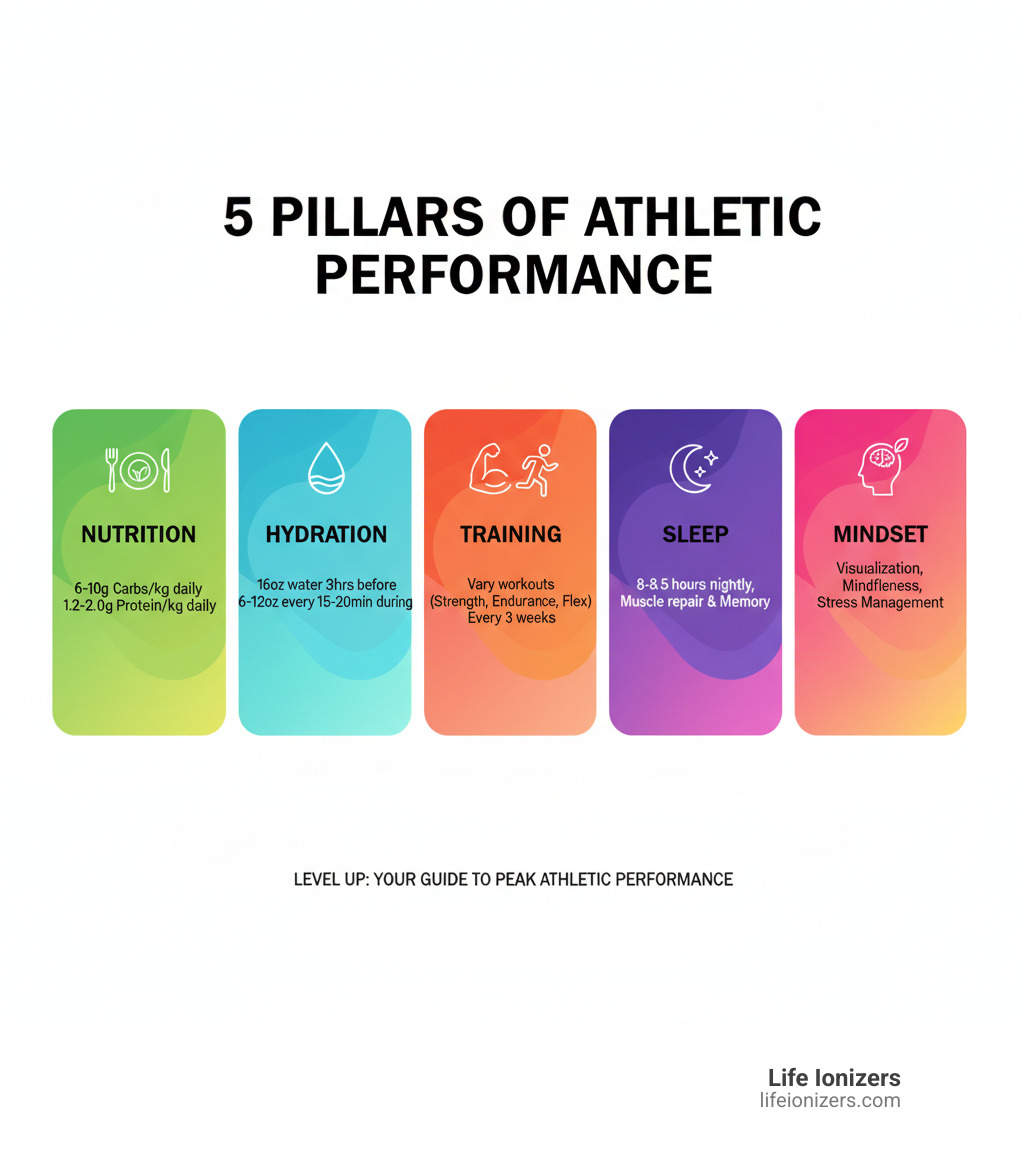
To improve athletic performance, you must master the fundamentals. Peak performance rests on five pillars: proper nutrition, optimal hydration, smart training, quality sleep, and mental resilience. These elements work together to open up your full potential, whether you're a competitive athlete or a weekend warrior.
Quick Guide to Performance Improvement:
- Nutrition: 6-10g carbs & 1.2-2.0g protein per kg of body weight daily.
- Hydration: 16 oz water 2 hours before exercise; 6-12 oz every 15-20 mins during.
- Training: Vary workouts every 3 weeks; include strength, endurance, and flexibility.
- Sleep: 8-8.5 hours nightly for muscle repair and memory consolidation.
- Mental Health: Use techniques like visualization and mindfulness.
Performance isn't just about training harder. Research shows that many athletes suffer from performance issues and injuries due to inadequate nutrition. Small changes in how you fuel, hydrate, and recover can create measurable improvements.
Many athletes overlook water quality, yet every cell in your body depends on it for nutrient absorption and energy production. When you're pushing your limits, optimizing hydration efficiency matters.
I'm Thai Cabados, and in my two decades in the water filtration industry, I've seen athletes find that optimizing their water intake was the missing link. The right approach to hydration, combined with the other fundamentals, creates a foundation for consistent gains.
Fuel Your Engine: The Core of Athletic Nutrition

Your body is a high-performance engine, and what you eat directly affects how you train, compete, and recover. The foundation of athletic nutrition rests on a proper balance of carbohydrates, proteins, and fats.
The Power of Macronutrients: Carbs, Protein, and Fats
Carbohydrates are your body's main fuel. They are converted to glucose and stored as glycogen in your muscles to power intense workouts. Most athletes need 6-10 grams of carbohydrates per kilogram of body weight daily. Research shows a staggering 45-95% of female athletes don't get enough carbs, impacting both health and performance.
Protein rebuilds your body after training. Hard workouts create micro-tears in muscle fibers, and protein provides the amino acids to repair this damage and build stronger muscle. Athletes typically need 1.2 to 2.0 grams of protein per kilogram of body weight each day to support repair, immune function, and metabolism.
Healthy fats are essential for absorbing vitamins, regulating hormones, and protecting organs. Focus on Omega-3 fatty acids from sources like fish, walnuts, and flax seeds to reduce inflammation and support overall well-being. The Position of the Academy of Nutrition on athletic performance provides science-backed guidance on integrating these macronutrients.
How to Structure Your Meals to Improve Athletic Performance
When you eat is as important as what you eat. Use The Athlete's Plate® as a visual guide to adjust meals based on training intensity—more carbs on hard days, less on light days.
Timing meals around workouts is crucial. Fuel up with carbohydrates before workouts lasting over an hour, but keep fat intake low right before training. After prolonged exercise (over 90 minutes), consume approximately 20 grams of high-quality protein within 0-2 hours to optimize muscle recovery. Continue eating protein every 3-5 hours.
Low Energy Availability (LEA), where food intake doesn't match activity level, is dangerous. It can cause hormonal imbalances, weakened immunity, and increased injury risk. To prevent LEA, most athletes need at least three meals and two to three snacks daily. Smart snacking on nutrient-dense foods like Greek yogurt, fruit with nut butter, or chocolate milk is essential for maintaining energy and supporting recovery.
Plant-Based Power for Athletes
Plant-based athletes can easily improve athletic performance with smart planning. You don't need to get all nine essential amino acids in one meal; eating a variety of plant proteins throughout the day creates a complete profile.
Combine sources to meet your needs:
- Legumes: Lentils, black beans, and chickpeas offer protein and fiber.
- Soy Products: Tofu, tempeh, and edamame are versatile complete proteins.
- Grains: Quinoa is a complete protein, while oats and brown rice contribute protein and carbs.
- Nuts and Seeds: Almonds, walnuts, and chia seeds provide protein and healthy fats.
- Vegetables: Spinach, broccoli, and peas add meaningful protein.
A diverse plant-based diet provides all the necessary protein plus the added benefits of fiber, antioxidants, and phytonutrients.
Hydration is Key: Optimizing Fluid Intake for Performance

If you're serious about how to improve athletic performance, hydration is non-negotiable. Even a small drop in fluid levels can derail your training. It's not just about drinking more—it's about having a smart hydration strategy.
Why Proper Hydration is Crucial for Athletes
Proper hydration improves circulation, lubricates joints, regulates body temperature, and supports cognitive function. During exercise, you can lose up to 2-3 quarts of fluid per hour, along with essential minerals called electrolytes: sodium, potassium, phosphate, calcium, and magnesium. These minerals are vital for muscle and organ function.
Losing water and electrolytes leads to reduced flexibility, speed, and endurance, as well as poor concentration. The earliest warning signs are muscle cramping, fatigue, and lightheadedness. A simple way to check your status is urine color: pale straw yellow is good; darker yellow means you need to drink up. For more expert advice, see this guide on sports hydration from Rayven Nairn, M.S., R.D., L.D..
Your Hydration Game Plan: Before, During, and After
A strategic approach to fluid intake is key to improve athletic performance.
- Before: Start your workout hydrated. Drink about 16 ounces (2 cups) of water 2 hours before exercise.
- During: Sip fluids consistently. Aim for 6 to 12 ounces every 15-20 minutes. For activity lasting over 45-60 minutes, switch to a sports drink to replace lost electrolytes and provide energy.
- After: Rehydration is crucial for recovery. For every pound of body weight lost during your workout, drink 16 to 24 ounces of fluid within the next 6 hours.
When choosing a sports drink, look for one with 6-8% carbohydrates and adequate salt (around 200 mg per 16 ounces). You can also track hydration by weighing yourself before and after practice; a loss of over 2% of body weight indicates you're not drinking enough.
Can You Improve Athletic Performance with Better Water?
Most athletes focus on quantity, but what if water quality could give you an edge? Even regulated tap water can contain contaminants that your body must filter. Using quality filtration provides cleaner, purer water, allowing for more efficient cellular hydration and nutrient absorption.
Many athletes (30-50%) experience digestive issues during exercise. This can be improved with "gut training"—systematically practicing your nutrition and hydration strategy during training so your stomach adapts. The type of water you drink plays a role in this process.
This is where our work at Life Ionizers is relevant. We specialize in advanced water ionizers that produce "Live Hydrogen Water™" with antioxidant properties. Our technology creates superior hydrogen-rich, alkaline water designed for health and vitality.
For athletes in the USA, including here in Vista, CA, this means access to water structured to improve cellular hydration and combat oxidative stress from intense exercise. Studies show that alkaline water can be effective for rehydration. The connection between alkaline water and athletic performance is supported by research suggesting benefits in managing exercise-induced acidosis, which relates to lactic acid buildup.
By hydrating with hydrogen-rich, ionized water, you support more efficient energy production and faster recovery. Athletes have reported benefits from using alkaline water for sports hydration, and there are documented connections to heart health. We've even analyzed alkaline water versus traditional sports drinks. The broader picture of alkaline water benefits for athletes shows that when the foundation of all biological function—water—is optimized, everything else works better.
How to Train Smarter to Improve Athletic Performance
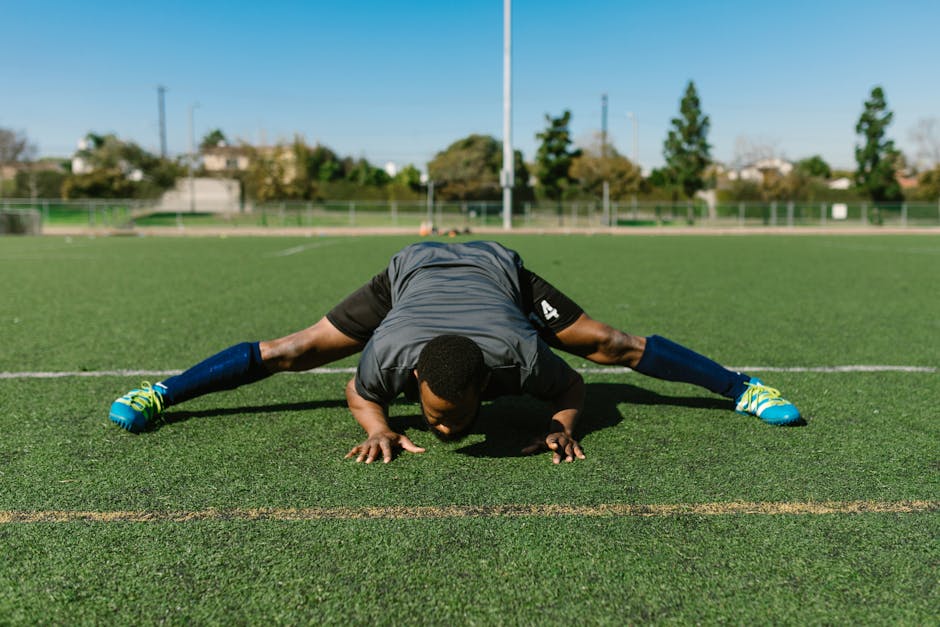
Training harder isn't always the answer; training smarter is. To truly improve athletic performance, you need a thoughtful, well-rounded approach that challenges your body, builds functional strength, and prioritizes recovery.
The Importance of a Balanced and Varied Training Regimen
Your body adapts quickly. Repeating the same workout leads to plateaus. That's why varying your workouts every 3 weeks is crucial. This variation keeps your joints healthy and reduces the risk of overuse injuries.
- Cross-training: Activities like swimming or cycling build cardiovascular fitness while giving your primary sport muscles a break.
- Periodization: Structuring your training into distinct phases (e.g., strength, power, maintenance) prevents burnout and keeps you progressing toward specific goals, as outlined in the Principles of physical conditioning.
- Active recovery: Light activities like walking or gentle stretching on rest days improve blood flow and help muscles repair faster.
Conditioning for Power and Injury Prevention
Proper conditioning builds the power to perform better and the resilience to prevent injuries.
Strength training is the core of power development, building muscle that translates to explosive movements. The Benefits of strength training are clear: stronger muscles protect joints and reduce injury risk.
Pair strength with flexibility work to increase your range of motion for more effective, powerful movements. Endurance training complements this by improving how efficiently your body uses oxygen, allowing you to sustain performance for longer.
It's vital to condition all muscle groups, not just the ones used most in your sport. Imbalances created by ignoring supporting muscles are a common cause of injury. A complete program should also include agility drills and sport-specific conditioning to train your body for the exact movements your sport demands.
The Unsung Hero: The Role of Sleep in Recovery
Sleep is arguably the most underrated factor in athletic performance. Without it, even the best nutrition and training plans will fall short.
During sleep, your body shifts into repair mode. Muscle repair occurs, your cardiovascular system rests, and your body releases growth hormone, which is essential for tissue repair. Sleep is also when memory consolidation happens, helping to lock in the motor skills you practice.
Athletes need 8 to 8.5 hours of sleep per night. This isn't a luxury; it's a biological necessity. To improve sleep quality, establish good sleep hygiene:
- Keep your bedroom cool (around 65-67°F).
- Stick to a consistent sleep schedule.
- Avoid large meals and blue light from screens before bed.
- If you can't sleep, get up and read in dim light until you feel drowsy.
Short 20-30 minute naps can also support recovery during heavy training. When you prioritize sleep, you're being strategic. It's when your body adapts, rebuilds, and prepares to improve athletic performance.
Boost Your Regimen: A Look at Performance Support

Once you've mastered your diet, hydration, and training, it's natural to look for an extra edge. The world of performance support can be overwhelming, so let's focus on what's safe and effective.
Understanding the Benefits and Risks of Supplements
Dietary supplements claim to boost strength, endurance, and recovery. However, a nutritionally adequate diet and sufficient hydration must always be your foundation. Supplements are meant to add to a solid base, not replace it.
The supplement industry has risks. Many products can cause side effects, and some are contaminated with dangerous or banned substances. The FDA doesn't approve these supplements before they are sold, so the responsibility falls on you to be an informed consumer. For a detailed overview, the NIH fact sheet on supplements for exercise is an excellent resource.
If you choose to use supplements, look for products certified by a third-party organization like NSF Certified for Sport® or Informed-Choice. These certifications verify that a product has been tested for contaminants and banned substances. Always consult a healthcare provider before starting any new supplement.
Recovery Aids: Nutrition and Natural Support
Recovery is where your body adapts and gets stronger. Strategic nutrition can significantly improve this process.
Protein from Whole Foods is your best tool for recovery. While powders are convenient, whole food sources like lean meats, fish, dairy, and plants provide a complete package of nutrients. Aim for about 20 grams of high-quality protein within two hours after exercise.
Certain foods are excellent recovery aids. Chocolate milk offers an ideal ratio of carbohydrates and protein, plus fluids and electrolytes. The benefits of chocolate milk for recovery are well-documented. Tart cherry juice is another option, as research suggests it may help reduce pain and inflammation after exercise.
While some antioxidant supplements can interfere with training adaptations, getting antioxidants from fruits and vegetables is highly recommended. These whole foods contain compounds that help combat oxidative stress from intense training and support overall immune function.
No supplement can replace the fundamentals. The foundation to improve athletic performance is a solid diet and optimal hydration. This is where high-quality water makes a real difference. The hydrogen-rich, ionized water from Life Ionizers supports your body at a cellular level, helping you maximize the benefits of your nutrition and training.
The Mental Game: Psychology's Role in Peak Performance

Physical ability only takes you so far. The difference between a good athlete and a great one is often mental. To truly improve athletic performance, you must train your mind with the same dedication you give your body.
Managing Stress and Building Mental Toughness
Your mental state directly impacts performance. Anxiety, stress, and pressure can lead to poor focus, decreased energy, and even a higher risk of injury. Building mental toughness isn't about ignoring these struggles; it's about developing tools to manage them.
Here are some powerful techniques:
- Visualization: Mentally rehearsing successful performances builds confidence and prepares your brain and body for the real event.
- Goal Setting: Establishing clear, achievable goals provides direction and motivation. Break down large goals into smaller, manageable steps to build momentum.
- Positive Self-Talk: Actively replace negative thoughts with constructive, encouraging internal dialogue to build genuine self-belief.
- Mindfulness: Practices like deep breathing and meditation help you stay centered and present, reducing anxiety and improving concentration during competition.
These mental strategies are essential for building the psychological resilience needed to steer the ups and downs of athletic life. For more techniques, explore these Strategies to improve sports performance. When you prioritize mental well-being alongside physical conditioning, nutrition, and hydration, you open up a powerful new dimension of performance.
Frequently Asked Questions about Improving Athletic Performance
Here are concise answers to some of the most common questions we receive about optimizing performance.
How much protein does an athlete really need?
The amount of protein an athlete needs isn't one-size-fits-all. It depends on the type of sport, training intensity, and individual body composition. General recommendations for athletes range from 1.2 to 2.0 grams of protein per kilogram of body weight per day. Endurance athletes might aim for the lower end (1.2-1.4 g/kg), while strength training athletes might need slightly more (1.6-1.7 g/kg) to support muscle growth and repair. Consuming too much protein can actually backfire. Balance is key. We should aim to consume high-quality protein (approximately 20g) within 0-2 hours after exercise and every 3-5 hours throughout the day to optimize muscle adaptations and improve athletic performance.
Is water enough for hydration, or do I need more?
Water is the most important and primary fluid for hydration, but it's not always enough, especially for athletes. For workouts lasting less than 60 minutes, water is usually sufficient. However, for activities exceeding one hour, or if we're sweating heavily, plain water alone can dilute our electrolytes, leading to issues like muscle cramping and fatigue.
In these scenarios, sports drinks that provide carbohydrates and electrolytes become beneficial. We can also replenish electrolytes through natural food sources like bananas (potassium), nuts and seeds (magnesium), and even a pinch of salt in our water. The goal is balance: we need enough fluid to prevent dehydration and enough electrolytes to maintain proper bodily function.
How can I effectively track my athletic progress?
Effectively tracking progress is crucial for understanding what's working, staying motivated, and making informed adjustments to our training. We have several excellent tools at our disposal.
Training logs or journals are perhaps the simplest yet most powerful tool. A notebook or digital document where we record details of each workout—exercises, sets, reps, weights, duration, intensity, how we felt—provides a direct record of our efforts and improvements over time.
Wearable technology has revolutionized progress tracking. Devices like smartwatches and fitness trackers can automatically monitor heart rate, distance, pace, calories burned, sleep quality, and even recovery metrics. Many come with companion apps for easy data analysis, giving us objective information about our training patterns.
Performance testing provides concrete benchmarks. Regularly scheduled tests might include time trials for runners, max lifts for strength athletes, or sport-specific drills to measure speed and agility. These objective measures show us exactly where we're improving and where we might need to adjust our approach.
By combining these methods, we get a holistic view of our athletic journey. This allows us to celebrate successes and pinpoint areas for improvement to continually improve athletic performance. The key is consistency—regular tracking helps us see patterns and make informed decisions about our training, nutrition, and recovery strategies.
Conclusion: Putting It All Together for Peak Performance
There is no single magic bullet to improve athletic performance. Real, lasting results come from the harmonious combination of nutrition, hydration, smart training, quality sleep, and a strong mental game.
Think of these elements as the foundation of a house. Nutrition provides the materials, training is the construction, sleep is the maintenance, and your mind is the blueprint. Consistency is where the magic happens. Small, daily choices compound over time into remarkable gains.
One of the most valuable skills you can develop is learning to listen to our bodies. It's constantly communicating what it needs, whether that's more rest, better fuel, or a change in training. Tuning in is crucial for long-term success.
For athletes dedicated to optimizing every advantage, the foundation of all biological function—water—is the logical place to start. Water is involved in every single cellular process in our bodies. Ensuring your water is not just clean but structured for optimal hydration, like the hydrogen-rich, ionized water from a Life Ionizer, supports every other effort you make. It's the foundation that makes everything else work better.
The journey to peak performance is a marathon, not a sprint. Accept these fundamentals, stay consistent, and remember that every small improvement counts. Your body is capable of amazing things when you give it the right support.
For more information about how hydrogen-rich water can specifically support your athletic goals, visit More info about the benefits of hydrogen water for athletes. Here's to your continued growth, health, and success in whatever athletic pursuits you choose to tackle.
