

Why Your Gut Deserves Your Attention
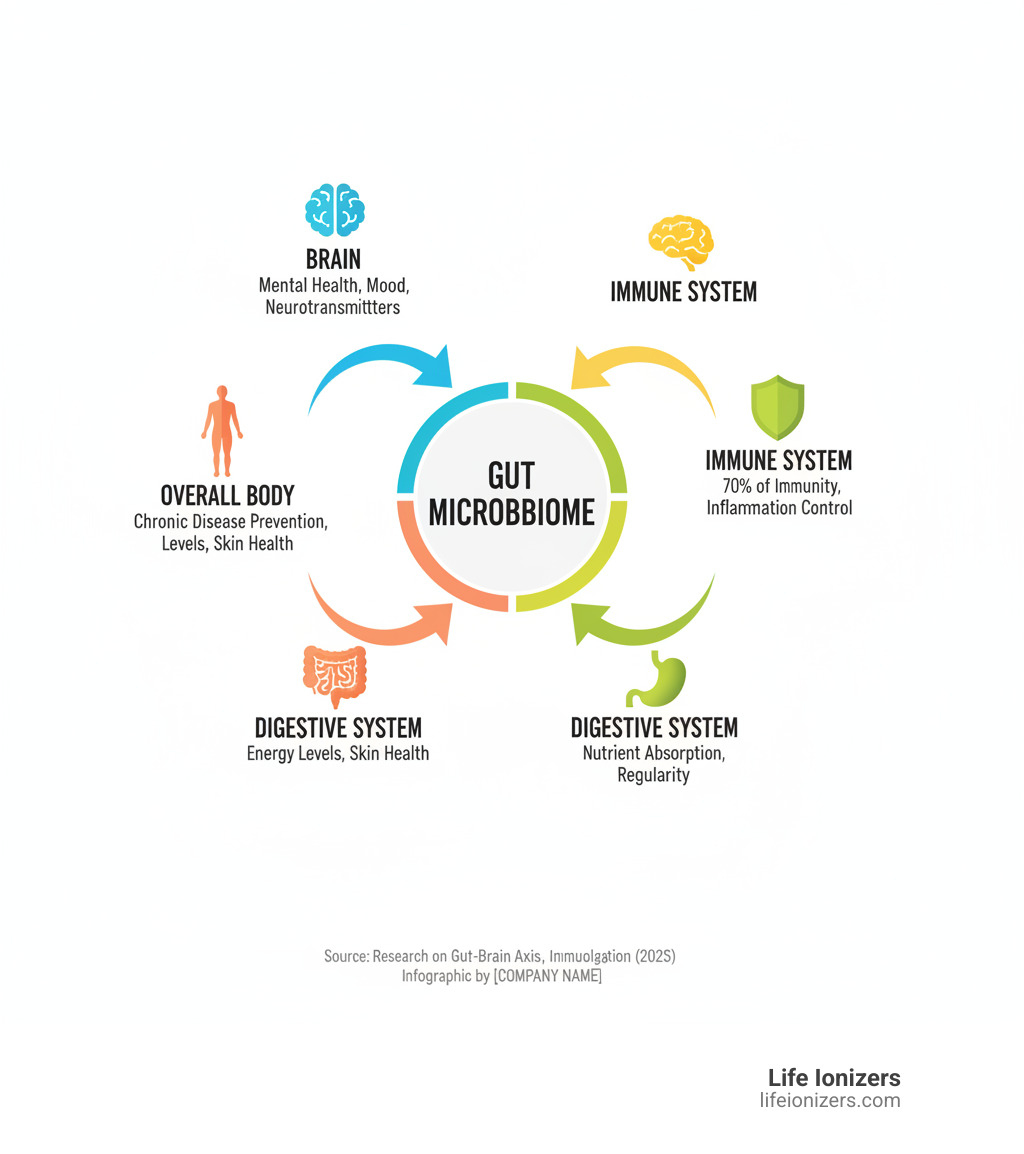
When you improve gut health, you transform more than just your digestion. Your gut is home to trillions of microorganisms known as the gut microbiome. These organisms regulate your immune system, influence mental health via the gut-brain connection, and affect your risk for chronic diseases.
Quick Ways to Improve Gut Health:
- Eat 25-38g of fiber daily from vegetables, beans, and whole grains
- Add fermented foods like yogurt, kimchi, or sauerkraut to your meals
- Sleep 7-9 hours each night to support your microbiome
- Manage stress through meditation, yoga, or time in nature
- Exercise 150+ minutes weekly to boost gut bacteria diversity
- Stay hydrated with clean, filtered water throughout the day
- Limit sugar and processed foods that harm beneficial bacteria
A balanced gut microbiome helps you feel your best, while an imbalance can lead to bloating, fatigue, skin issues, and frequent illness. The good news is that you have significant control over your gut health through simple daily choices.
I'm Thai Cabados, and with over two decades in the water filtration industry, I've seen how crucial clean, hydrogen-rich water is to improve gut health. My work developing advanced alkaline hydrogen water systems has shown me that foundational elements like water quality play a vital role in supporting the beneficial bacteria your body needs.
The Gut Microbiome: Your Body's Inner Ecosystem
Think of your gut as a thriving community where trillions of tiny residents—your gut microbiome—work to keep everything running smoothly. This inner ecosystem is far more important than you might imagine.
Diversity is key for gut health. Research shows that having a wide variety of bacteria helps protect against conditions like diabetes and inflammatory bowel disease. A diverse gut is a resilient gut.
Your gut and brain are in constant conversation through the gut-brain axis. Your gut even has its own nervous system that manages digestion and influences your emotions. This means when you improve gut health, you're also supporting your mental wellbeing.
Roughly 70% of your immune system lives in your gut, making it the command center for fighting off illness and keeping you healthy.
What is the Gut Microbiome?
Your gut microbiome is the collection of trillions of microorganisms—bacteria, viruses, and fungi—living in your intestines. Most people have around 200 different species, and the exact mix is unique to each person, shaped by diet, lifestyle, and environment. These microscopic residents are hard at work breaking down food, producing essential vitamins, regulating metabolism, and influencing hunger cues.
Why is Gut Health Crucial for Overall Wellness?
When your gut microbiome is balanced, the benefits ripple through your entire body. Good gut health means better digestion and nutrient absorption.
Your immunity depends heavily on your gut. With 70% of your immune system located there, a healthy microbiome is your first line of defense against pathogens and helps control inflammation.
The connection between gut health and mental health is profound. Through the gut-brain axis, your microbiome influences mood, stress, and cognitive function. Studies have even found specific gut microbes linked to depression, showing how powerful this connection is.
When you improve gut health, you also reduce your risk of chronic diseases like diabetes, cardiovascular disease, and autoimmune conditions. A healthy gut truly means a healthier you.
Signs of an Unhealthy Gut
Your body sends clear signals when your gut is unhappy. Sometimes these signs are subtle, but they're always worth paying attention to.

The most direct signals come from your digestive system. An upset stomach with frequent gas, bloating, constipation, diarrhea, or heartburn is a common red flag.
Other signs of an imbalanced gut can include:
- Unintentional weight changes, as an imbalanced microbiome can affect nutrient absorption and fat storage.
- Fatigue and sleep disturbances, which can be linked to an out-of-whack gut.
- Skin irritation like eczema or acne, which can stem from an unhealthy gut via the gut-skin axis.
- New food intolerances, which can signal poor gut bacteria quality.
If these signs sound familiar, your gut might be asking for some attention.
Dietary Changes to Improve Gut Health
The most powerful tool you have to improve gut health is your food. Every meal is an opportunity to nourish the trillions of microorganisms in your gut. You don't need a complete overhaul; small, consistent changes make a real difference.
Focus on whole foods over processed ones and accept the variety of plant-based foods available. Also, how you eat matters: eating slowly and chewing thoroughly gives your digestive system a head start.
Fuel Up on Fiber and Prebiotics to Improve Gut Health
Increasing your fiber intake is one of the most impactful dietary changes you can make. Fiber acts as a prebiotic—food for your beneficial gut bacteria. These microbes ferment fiber, producing short-chain fatty acids that nourish your gut lining and provide numerous health benefits.
Most Americans get only 40-50% of the recommended daily fiber, which is 25 grams for women and 38 grams for men. You can reach this goal by focusing on these foods:
- Legumes and beans: Lentils, chickpeas, and black beans are fiber powerhouses.
- Whole grains: Oats, barley, and brown rice provide steady fiber.
- Fruits: Bananas, berries, apples, and avocados are excellent choices.
- Vegetables: Fill half your plate with options like asparagus, onions, garlic, and leafy greens.
- Nuts and seeds: Almonds, chia seeds, and flaxseeds add fiber and crunch.
As you increase fiber, be sure to drink plenty of water to help it move smoothly through your digestive system.
Incorporate Probiotic-Rich Fermented Foods
While prebiotics feed your existing good bacteria, probiotics introduce new beneficial bacteria to your gut. Fermented foods are nature's original probiotic supplements.

- Yogurt and kefir: Look for labels that say "live and active cultures." Kefir typically offers more bacterial diversity than yogurt.
- Sauerkraut and kimchi: These fermented cabbage dishes are rich in lactobacillus. Choose refrigerated versions, as shelf-stable options are often pasteurized, killing the good bacteria.
- Miso and tempeh: These fermented soy products are great for plant-based diets.
- Kombucha: This fermented tea is a good alternative to soda, but stick to about 4 ounces per day due to its sugar content.
Try to include at least one serving of fermented foods daily for a consistent supply of beneficial bacteria.
Foods and Habits to Limit or Avoid
Just as some foods help your gut, others work against it. To improve gut health, it's important to limit the following:
- High-sugar diets: Research shows that excess sugar leads to inflammation and feeds harmful bacteria that can disrupt your microbiome.
- Processed foods: These are often high in artificial additives, unhealthy fats, and sugar, which reduce bacterial diversity. They are absorbed too quickly, preventing beneficial compounds from reaching your gut bacteria.
- Artificial sweeteners: Studies suggest these can cause an imbalance of gut microbes (dysbiosis) and may negatively affect blood glucose levels.
- Unhealthy fats: Saturated and trans fats can promote inflammation and negatively alter your microbiome. Focus on healthy fats from avocados, olive oil, and nuts.
- Excessive red meat: High meat intake may promote the growth of less beneficial bacteria. Consider treating meat as a side dish rather than the main event.
Perfection isn't the goal. Gradually reducing these foods creates an environment where your beneficial bacteria can flourish.
Lifestyle Habits for a Thriving Gut
To improve gut health, you must look beyond diet. Your daily habits—how you sleep, move, and manage stress—powerfully shape your gut microbiome. A holistic approach that honors the mind-body connection is key. Consistency with small, sustainable changes is more effective than occasional extreme efforts.
The Impact of Sleep on Your Microbiome
Sleep is prime time for your digestive system to repair and rebalance. When you skimp on sleep, your gut microbiome suffers.
Research published in Frontiers in Microbiology reveals a two-way street: gut bacteria influence sleep quality, and poor sleep disrupts your gut. An imbalanced microbiome is linked to fragmented sleep and fatigue. It's a cycle where poor sleep harms your gut, and an unhealthy gut harms your sleep.
Aim for seven to nine hours of quality sleep each night. Practice good sleep hygiene: maintain a consistent schedule, create a dark and quiet room, and avoid screens an hour before bed. Your gut will reward you with better digestion and more balanced energy.
Manage Stress to Soothe Your Gut
Ever felt "butterflies" in your stomach? That's the gut-brain connection at work. When you're stressed, your body releases hormones like cortisol that directly impact your digestive system, sometimes triggering pain, diarrhea, or constipation.
Making stress management a daily practice is essential for gut health. Start small with what works for you:
- Try a few minutes of mindfulness or meditation.
- Practice deep belly breathing to activate your body's relaxation response.
- Consider gentle movement like yoga or tai chi.
- Spend time in nature. Research suggests that being outdoors exposes you to environmental microbes that can improve your gut diversity.
Get Moving: The Exercise-Gut Connection
Regular physical activity directly increases the diversity of bacteria in your gut, a key marker of a healthy microbiome.

A systematic review published in Nutrients showed that 150 to 270 minutes of moderate- to high-intensity exercise per week positively affects gut microbiota. This aligns with the Physical Activity Guidelines for Americans, which recommend at least 150 minutes of moderate-intensity exercise weekly—just over 20 minutes a day. Activities like brisk walking, cycling, or swimming are perfect. You don't need to train for a marathon; consistent, moderate movement is what your gut microbes love.
Stay Hydrated for Optimal Digestion
Water is foundational to gut health. It's essential for nutrient absorption, preventing constipation, and maintaining the protective mucus lining of your digestive tract. A 2022 study found that people who drank more water had lower levels of bacteria that cause gastrointestinal infections. The quality of your water directly shapes your gut's microbial community.
At Life Ionizers, we've seen this connection for decades. Common tap water often contains chlorine and fluoride, which can act like antibiotics in your gut, killing off beneficial bacteria. This is why we developed our advanced water ionization technology.
Our systems filter out these harmful contaminants and infuse your water with health-promoting minerals and molecular hydrogen (H2). This hydrogen-rich, alkaline water helps neutralize excess acidity, supporting an environment where beneficial gut bacteria can thrive.
Clean, properly hydrated water actively supports your gut's return to vibrant health.
Advanced Topics: Supplements, Myths, and Long-Term Success
To improve gut health, you need sustainable habits grounded in evidence, not quick fixes. Let's cut through the confusion surrounding supplements and common myths to focus on what long-term success really looks like.
Are Probiotic Supplements Necessary?
Many experts recommend a food-first approach. Whole foods provide a complex symphony of nutrients, fiber, and beneficial compounds that supplements can't replicate.
The research on probiotic supplements is mixed. They aren't a cure-all and don't replace a diverse, fiber-rich diet. However, they may be helpful in specific situations, such as when taking antibiotics. A targeted probiotic strain might also help with certain digestive issues.
Before starting any supplement, consult a doctor or an accredited practicing dietitian. They can assess your individual needs and help you determine if supplementation is right for you.
Common Gut Health Myths Debunked
Not everything you read online about gut health is backed by science. Here are some persistent myths:
- The "Quick Fix" Fantasy: You can't heal your gut with a three-day cleanse. While your microbiome can shift within days of dietary changes, lasting benefits take weeks or months of consistent effort.
- Colon Cleanses for Better Health: There's no scientific evidence supporting colon cleanses for health. Your body has its own detoxification systems (liver, kidneys, gut). These procedures can disrupt your natural bacterial balance.
- One "Superfood" Will Save You: No single food can fix your gut. Your microbiome thrives on diversity, not monotony. Variety is essential for a resilient ecosystem.
- There's One Perfect Diet for Everyone: Your microbiome is unique. What works for one person may not work for another. Listen to your own body.
How to Improve Gut Health for the Long Haul
Building a thriving gut for life is about consistency and gradual changes that fit your real life.
Start small. Add one new vegetable to your weekly rotation or commit to getting more sleep. These incremental shifts are more sustainable than dramatic overhauls.
One powerful goal is to eat 30 different types of plant-based foods each week. This includes fruits, vegetables, whole grains, legumes, nuts, seeds, herbs, and spices. This variety ensures your gut microbes get a broad spectrum of nutrients.
If you suspect food sensitivities, keep a food diary for a few weeks. Note what you eat and how you feel to identify patterns and triggers.
Most importantly, listen to your body. It's constantly giving you feedback. As experts emphasize, microbiome improvement is a "worthy investment" at any age. Your gut is resilient, and it's never too late to start making supportive changes.
Frequently Asked Questions about Gut Health
You're not alone if you have questions about how to improve gut health. Here are some straight answers to common questions.
How long does it take to see improvements in gut health?
Your gut microbiome can start responding to dietary changes within a few days. However, meaningful, lasting improvements and symptom relief usually take several weeks to several months of consistent habits. Think of it like tending a garden: sprouts appear quickly, but a flourishing garden takes time and steady care.
What is the single most important thing for a healthy gut?
If we had to choose one thing, it would be to increase the diversity and amount of fiber in your diet. Fiber acts as a prebiotic, or food for your beneficial gut bacteria. A diverse, fiber-rich diet supports a resilient microbiome, which in turn strengthens your immune system, helps regulate mood, and reduces inflammation. Aim for 25 to 38 grams of fiber daily from a variety of plant sources.
Can my gut really affect my mood and mental health?
Yes, absolutely. The gut-brain axis is a powerful communication highway between your digestive system and your brain. Your gut produces about 90% of your body's serotonin, a key neurotransmitter for regulating mood. Research has linked an unhealthy gut to conditions like anxiety and depression. When you work to improve gut health, you are also supporting your mental well-being. It's all connected.
Conclusion: Your Journey to a Healthier Gut
Taking steps to improve gut health is a meaningful investment in your overall well-being. As we've explored, a thriving gut microbiome rests on key pillars: a diverse, fiber-rich diet, adequate sleep, stress management, regular exercise, and proper hydration. These are not overnight fixes but consistent choices that build a stronger inner ecosystem.
This journey is about progress, not perfection. Every small change contributes to a healthier you. By nurturing your gut, you're strengthening your immune system, supporting mental clarity, and building sustainable energy.
At Life Ionizers, we've spent over two decades witnessing how foundational elements like water quality can transform health. We are committed to providing the cleanest, most beneficial water because we understand its profound impact on your gut microbiome and overall wellness. Our advanced water ionization technology removes harmful contaminants like chlorine and fluoride, which can disrupt the delicate balance of your gut bacteria.
Our hydrogen-rich, alkaline water actively supports your gut environment, helping your beneficial bacteria thrive. It's water designed to work with your body's natural systems. Your gut deserves the best foundation you can give it.
